
Surgical Services in Layton, UT
At Canyon View Cares Layton, we understand that hearing your pet needs surgery can bring up a lot of questions. And that’s why our veterinary team is here to guide you from the initial evaluation through recovery at home. Our approach to pet surgery in Layton, UT focuses on careful preparation, individualized anesthesia, attentive monitoring, pain management, and clear communication throughout the process. So whether your dog or cat needs a routine spay or neuter, removal of a mass, wound repair, or another medically necessary procedure, we want you to understand why surgery is recommended and what to expect afterward.
Understanding Why Your Pet Needs Surgery
Veterinary surgery can fall into several categories depending on the condition and how quickly treatment is needed. Some procedures are planned and elective, while others are medically necessary or need to be performed urgently because of an injury or serious health problem. At Canyon View Cares Layton, our clinic provides general surgery for dogs and cats, including spays, neuters, and some orthopedic procedures, with referral to veterinary specialists when a case requires more specialized care.
Before moving forward, we take time to discuss what the procedure is intended to accomplish and what other considerations may be involved. Our goal is for you to understand your pet’s diagnosis and the reasoning behind the surgical recommendation rather than feeling like you are moving forward without enough information.
Depending on your pet’s condition, surgical care may include procedures such as:
- Spay and neuter surgery
- Mass or tumor removal
- Wound repair
- Dental procedures requiring surgery
- Bladder stone removal
- Abdominal surgery for foreign objects
- Fracture repair
- Other general surgical procedures
Preparing Your Dog or Cat for Surgery
Good surgical care begins before anesthesia is administered. We review your pet’s medical history, current health, medications, previous procedures, and other information that may affect how we approach surgery.
You will also receive specific instructions about preparing your pet at home. Depending on the procedure, those directions may cover food and water, medications, arrival time, and other steps designed to make the day of surgery run more smoothly.
It is important to follow the instructions provided for your individual pet instead of relying on general advice found online. Preparation can vary based on age, health status, procedure type, and the anesthesia plan.
Pre-Surgical Testing Helps Us Plan More Carefully
A pet can appear perfectly healthy while still having an underlying condition that may influence anesthesia or surgery. Pre-surgical laboratory testing helps us gather information that cannot be determined from appearance alone.
Testing commonly includes a complete blood count and blood chemistry evaluation. These tests can provide information about red and white blood cells, platelets, infection or inflammation, and the function of organs such as the liver and kidneys.
If testing reveals an abnormality, we can consider how that finding affects the surgical plan. Depending on what we learn, we may adjust medications or anesthesia, recommend additional evaluation, or decide that delaying a non-urgent procedure is appropriate.
Anesthesia Is Tailored to the Individual Pet
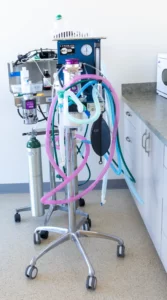
Anesthesia allows us to perform surgical procedures while keeping your pet unconscious, still, and appropriately comfortable. Because every patient is different, anesthesia requires careful planning rather than a one-size-fits-all approach.
Our team considers your pet’s species, age, medical history, procedure, test results, current medications, and previous experiences with anesthesia. Canyon View Cares Layton provides anesthesia services for both dogs and cats as part of its broader surgical care.
We also want owners to tell us about prescription medications, supplements, or other products their pet has recently received. That information can be important when determining an appropriate anesthesia and pain-management plan.
Monitoring Matters Throughout the Procedure
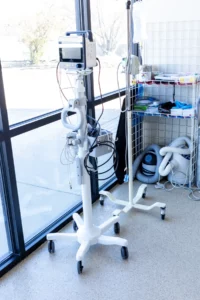
Once your pet is under anesthesia, monitoring becomes a central part of surgical care. Veterinary professionals work together to follow the patient through the procedure and pay attention to their condition while anesthesia is being administered.
The process begins with understanding the patient’s history and continues through anesthesia, surgery, and recovery. That continuity helps the surgical team respond appropriately to the individual pet instead of treating anesthesia as a routine event that looks identical every time.
Pain management is also considered as part of the surgical process. The medications and methods used depend on the type of procedure, the patient’s health, and the level of discomfort expected during recovery.
When a Surgical Specialist May Be Recommended
Some procedures require more specialized expertise or equipment than general veterinary surgery. Complex orthopedic, soft tissue, or other advanced cases may be better suited for a veterinary specialist depending on the diagnosis and your pet’s overall health.
When specialist involvement is appropriate, we can help owners understand why that recommendation is being made. The goal is to match the complexity of the procedure with the level of surgical expertise and resources the patient needs.
This does not mean every complicated-sounding diagnosis automatically requires referral. We evaluate the individual case and determine the most appropriate path based on the procedure and the pet.
Recovery Continues After Your Pet Goes Home
Surgery is only one part of the process, and recovery at home can have a significant impact on healing. Depending on the procedure, your pet may need activity restrictions, medications, incision monitoring, dietary adjustments, or a protective collar.
Dogs and cats should generally have a quiet, comfortable area where they can rest without excessive activity or interference from other pets. You should also follow the specific instructions we provide regarding medication, wound care, feeding, and follow-up appointments.
Recovery time varies considerably based on the procedure, age, health, and condition being treated. Some pets recover relatively quickly, while orthopedic or more involved surgeries can require a much longer healing period.
Supporting Both Cats and Dogs Through Surgery
Cats and dogs can respond differently to veterinary visits, anesthesia, pain, and recovery, which is why we take the individual patient into account. A quiet cat recovering from surgery may express discomfort very differently from an active dog that wants to resume normal activity too soon.
Our feline services include surgery, anesthesia, pain management, and laparoscopic options when appropriate, while our canine services include anesthesia and general surgical care.
We also know owners are an important part of recovery because you recognize your pet’s normal behavior better than anyone. If something seems unusual after surgery, we encourage you to contact us rather than wondering whether the change is normal.
Frequently Asked Questions
Pre-surgical bloodwork is commonly used to look for health concerns that could affect anesthesia or surgery. A CBC and chemistry panel can provide information about blood cells, infection, inflammation, and organ function.
Our surgical services include general procedures such as spays and neuters, along with other surgeries based on the patient’s condition. Some orthopedic procedures are available, while more specialized cases may require referral.
Recovery depends on the procedure, age, general health, and medical condition involved. Some pets may improve substantially within days, while more involved procedures can require weeks or longer.
Follow the discharge instructions carefully, including medication schedules, activity restrictions, feeding recommendations, and incision care. Providing a quiet place to rest and attending recommended follow-up visits can also support recovery.
Some complex procedures may benefit from the expertise of a veterinary surgical specialist. We can help determine when referral or additional specialized care is appropriate for your pet’s condition.
Help Your Pet Through Surgery With a Clearer Care Plan
At Canyon View Cares Layton, we know pet surgery can feel overwhelming, which is why we focus on helping you understand each stage instead of leaving you with unanswered questions. From pre-surgical testing and individualized anesthesia to attentive monitoring, pain management, and recovery guidance, our team considers your pet’s needs throughout the entire process. So whether your dog or cat needs a routine procedure or surgery for a medical condition, we are here to help you determine the appropriate next step. Simply contact Canyon View Cares Layton today to schedule an evaluation and learn more about pet surgery in Layton, UT.