
Pet Dental Services in Layton, UT
At Canyon View Cares Layton, we know healthy teeth and gums are an important part of your pet’s overall well-being. That’s why our pet dental services in Layton, UT, are designed to help prevent dental disease, identify painful problems early, and treat oral conditions that can make eating and everyday life uncomfortable. Dogs and cats can both develop plaque, tartar, gum disease, broken teeth, and other dental concerns, often without showing obvious signs right away. Through regular dental exams, professional cleanings, dental X-rays, and home-care guidance, we help owners take a more proactive approach to their pet’s oral health.
Dental Health Is Part of Whole-Pet Health
Dental care is about much more than keeping your pet’s breath fresh. Plaque and tartar can contribute to inflammation and periodontal disease, while painful teeth or gums may make pets reluctant to eat, chew, or play normally.
Cats and dogs are also very good at adapting to discomfort, which means dental disease may progress before an owner realizes anything is wrong. Routine oral evaluations give us a chance to identify changes earlier and discuss whether professional treatment or additional home care is appropriate.
Good dental care fits naturally into preventive veterinary medicine. When we look at your pet’s mouth during routine visits, we are also watching for broken teeth, tartar buildup, gum inflammation, masses, and other changes that may deserve closer attention.
Signs Your Pet May Have a Dental Problem
Some dental conditions are obvious, but others produce subtle symptoms that are easy to dismiss. Changes in eating habits, behavior, or interest in toys may be related to oral discomfort even when your pet is not crying or visibly showing pain.
Common warning signs can include:
- Persistent bad breath
- Visible plaque or tartar
- Red, swollen, or bleeding gums
- Drooling more than usual
- Difficulty chewing
- Dropping food while eating
- Pawing at the mouth
- Head shaking or jaw chattering
- Loose or broken teeth
- Reduced appetite
- Favoring one side of the mouth
- Becoming less interested in chew toys or treats
Cats may become quieter or simply eat more slowly, while dogs may continue eating despite significant dental disease. If you notice a change, we recommend having the mouth evaluated rather than waiting for the symptoms to become more severe.
Professional Dental Exams Help Us See the Full Picture
A dental evaluation begins with an examination of the teeth, gums, and visible structures inside the mouth. We look for tartar, inflammation, fractures, damaged teeth, gum recession, abnormal growths, and other signs that may indicate disease.
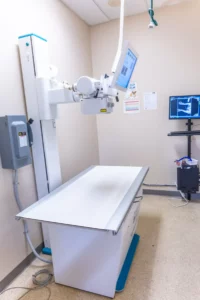
However, much of a tooth lies below the gumline, which means visual inspection alone cannot reveal every problem. Dental X-rays can help identify concerns such as bone loss, disease around tooth roots, and tooth resorption that may otherwise remain hidden.
This is especially important in cats because tooth resorption can cause significant pain while being difficult to fully evaluate without imaging. By looking above and below the gumline, we can make more informed decisions about which teeth are healthy and which ones may require treatment.
Why Anesthesia Is Important for Veterinary Dentistry
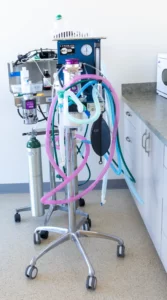
A complete professional dental procedure generally requires anesthesia because pets cannot be expected to remain perfectly still while we clean beneath the gumline, examine each tooth, take dental X-rays, and perform necessary treatment. Anesthesia allows us to work more thoroughly while keeping your pet appropriately still and comfortable.
Before an anesthetic procedure, we consider your pet’s age, overall health, medical history, and any other factors that could influence the plan. The same individualized approach we use for other veterinary procedures applies to dental care as well.
Anesthesia also makes it possible to evaluate areas of the mouth that would be difficult or uncomfortable to inspect in an awake pet. That more complete examination can reveal problems that would otherwise remain unnoticed.
Professional Cleanings Help Control Plaque and Tartar
Even with good home care, many pets eventually develop tartar that cannot be removed safely with ordinary brushing. A professional dental cleaning allows us to remove plaque and tartar from the visible tooth surface as well as areas around and beneath the gumline.
Cleaning is only one part of the process because we also evaluate the condition of the teeth and gums while your pet is anesthetized. If we identify a damaged, loose, infected, or otherwise unhealthy tooth, we can discuss the appropriate treatment based on the individual condition.
Routine dental care can help reduce the progression of periodontal disease and improve comfort. The appropriate schedule varies because some pets accumulate tartar or develop dental problems more quickly than others.
Common Dental Conditions in Dogs and Cats
Periodontal disease is one of the most common oral health concerns in pets. It begins when plaque and bacteria contribute to gum inflammation and can progress to deeper tissues surrounding and supporting the teeth.
Other problems can include:
- Gingivitis
- Periodontitis
- Broken or fractured teeth
- Loose teeth
- Tooth root problems
- Oral infections
- Tooth resorption in cats
- Abnormal oral growths
- Painful or damaged teeth
Treatment depends on what we find during the examination and diagnostic process. Some pets may only need professional cleaning and improved home care, while others may need extraction or additional dental treatment.
Home Dental Care Makes a Real Difference
Professional dentistry is important, but what happens between appointments also matters. Regular tooth brushing is one of the most useful ways to reduce plaque buildup, and pet-specific dental products can help support oral hygiene.
For cats, the clinic recommends regular brushing with pet-safe toothpaste and notes that dental diets and appropriately selected dental treats may also be useful additions to home care. These products can support brushing, but they should not be considered a complete substitute for mechanical plaque removal.
Dogs can also benefit from a consistent home dental routine tailored to their tolerance and oral health needs. Our team can help you choose an approach that is realistic for your household rather than recommending something that will be impossible to maintain.
Start Dental Care Early
Dental habits are often easier to establish when pets are young. Puppies and kittens can gradually become accustomed to having their lips lifted, mouths handled, and teeth brushed, which can make home dental care less stressful later.
Starting early also allows us to monitor how the adult teeth develop and establish a baseline for oral health. However, it is never too late to pay more attention to dental care, even if your adult or senior pet has never had a consistent routine.
Older pets may actually benefit greatly from dental evaluation because oral disease tends to accumulate over time. Age alone does not tell us whether dental treatment is appropriate, so we evaluate the individual patient and overall health.
Frequently Asked Questions
Visible tartar, bad breath, gum inflammation, or changes in eating can all indicate that a dental evaluation is needed. We can examine your pet’s mouth and recommend professional cleaning based on the degree of dental disease.
Dental X-rays show areas below the gumline that cannot be evaluated through visual examination alone. They can reveal root disease, bone loss, and conditions such as feline tooth resorption.
A complete veterinary dental procedure generally requires anesthesia so we can thoroughly clean beneath the gums, examine the mouth, and obtain diagnostic X-rays safely. The anesthesia plan is tailored to the individual patient.
Frequent brushing is most effective, and the clinic specifically recommends brushing cats’ teeth at least several times a week when possible. We can help you establish a routine that works for your particular dog or cat.
Yes, persistent bad breath can be associated with plaque, tartar, gingivitis, periodontal disease, or other oral problems. Because several conditions can cause odor, a veterinary dental exam is the best way to identify the source.
Help Protect Your Pet’s Smile and Comfort
At Canyon View Cares Layton, we want dental care to be part of your pet’s overall health plan rather than something that only receives attention when a tooth becomes painful. With this in mind, regular oral exams, professional cleanings, dental X-rays, appropriate treatment, and realistic home care can help us identify problems earlier and keep your dog or cat more comfortable. So if you’ve noticed bad breath, tartar, difficulty chewing, or another change in your pet’s mouth, be sure to contact our team today to schedule an evaluation and learn more about our pet dental services in Layton, UT.